
What is PVC faced gypsum ceiling board?
What is PVC faced gypsum ceiling board?
Struggling with ceiling choices for wet areas like kitchens? Mold, stains, and difficult cleaning can be a nightmare. A smart, composite ceiling board is the practical solution you need.
It is a composite ceiling tile. It has a strong, flat gypsum board core for structure. The front is covered with a decorative, waterproof PVC film, and the back has an aluminum foil layer to block moisture and prevent condensation.
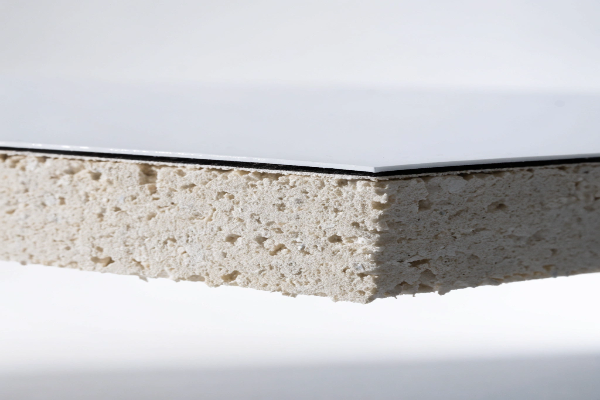
That's the technical answer. But as a builder, I know what you really want to know is how it performs in the real world. This material isn't just a simple board; it's a carefully designed system. It combines the flatness and strength of drywall with the easy maintenance and water resistance of PVC. Let's look at why this combination is so effective for specific jobs.
What are the advantages of a PVC ceiling board?
Tired of ceilings that stain and grow mold in humid spaces? Regular materials just can't handle the constant moisture. This is where a PVC faced board proves its worth.
Its key advantages are being fully waterproof and moisture-proof, which prevents mold. The PVC surface is incredibly easy to wipe clean, and it offers a much flatter, higher-quality look than traditional all-plastic ceiling planks.
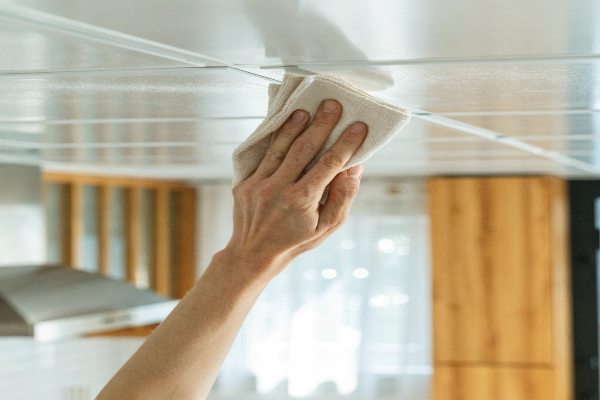
The real magic of this product is in its construction. It takes the best qualities of two different materials and combines them. The gypsum board core provides the rigidity and perfectly flat surface that you can't get from flimsy, pure PVC "plank" ceilings. The PVC film on the front, applied with a hot-press process, is what makes it waterproof and easy to clean. It can even be made with different patterns, like wood grain or stone. Finally, the aluminum foil on the back acts as a vapor barrier. This is critical for stopping moisture from getting into the gypsum core from above and preventing condensation. It’s important to remember its limits, though. It is heavier than pure plastic ceilings and is not suitable for very high-temperature environments over 60°C.
Key Composition
- Core: Paper-faced gypsum board for strength and flatness.
- Front Layer: A decorative PVC film for a waterproof and wipeable surface.
- Back Layer: Aluminum foil to act as a moisture and heat barrier.
PVC faced gypsum ceiling VS mineral fiber ceiling board?
Deciding between PVC gypsum and mineral fiber ceilings is confusing. They look similar in a grid but serve very different purposes. Choosing wrong means you compromise on key features.
Use PVC faced gypsum board for its superior moisture resistance and easy cleaning, perfect for kitchens or bathrooms. Choose mineral fiber board for its excellent sound absorption and A-grade fire rating, making it ideal for offices and schools.
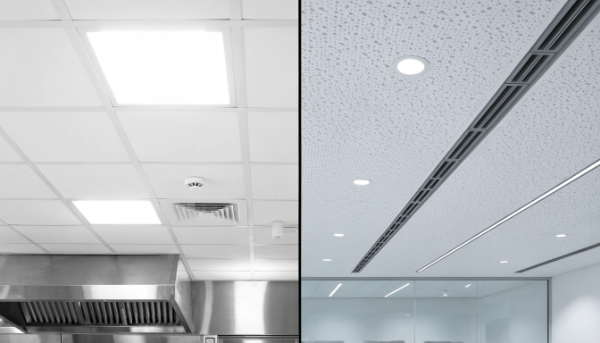
I've worked on projects that needed both, and picking the right one is critical. They are not interchangeable. A PVC faced board is a waterproof and easy-to-clean material. A mineral fiber board is an acoustic and fire-safety material. If you put a mineral fiber board in a steamy kitchen, it will eventually absorb moisture and sag. If you put a PVC board in a noisy open-plan office, you lose all the sound-dampening benefits. The lifespan also differs; a good quality mineral fiber board will generally last longer than a PVC board, which can yellow over time if it's low quality. It comes down to matching the material’s strengths to the room’s function.
| Feature | PVC Faced Gypsum Board | Mineral Fiber Board |
|---|---|---|
| Material | Gypsum core + PVC film + Foil back | Molten rock fibers + Binders |
| Key Performance | Waterproof, mold-proof, easy to clean | A-Grade fire-rated, high sound absorption |
| Weakness | Poor acoustics, sensitive to high heat | Can sag or crumble if it gets very wet |
| Typical Lifespan | 5-8 years | 10+ years |
| Safety | Good flame resistance | Excellent A-grade fireproof rating |
Where is a PVC faced gypsum ceiling board suitable for?
Knowing a product's strengths is one thing. But where exactly should you install it for the best results? Using it in the wrong environment can cause problems down the line.
PVC faced gypsum ceiling board is best suited for environments with high humidity, moisture, or strict hygiene requirements. This includes kitchens, bathrooms, laundry rooms, hospital clean rooms, and food processing areas where easy cleaning is essential.
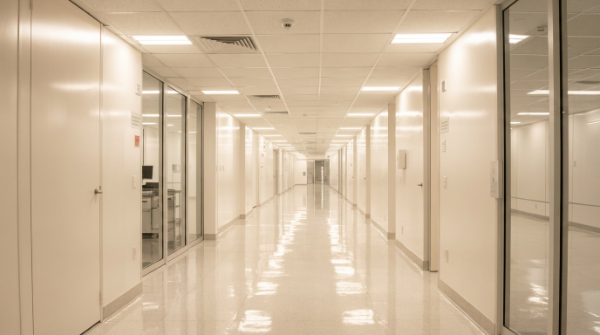
Let's think like a designer and a builder. Where do we face challenges with moisture, grease, and the need for cleanliness? Those are the perfect spots for this material. I recommend it to my clients for very specific applications.
High-Moisture Residential Areas
For homes, this means kitchens, bathrooms, and balconies. In the kitchen, steam and cooking grease are constant problems. A PVC faced ceiling can be wiped clean in seconds. In a bathroom, it won't grow mold or peel, even with daily steam from the shower. It provides a clean finish that lasts.
Commercial & Hygienic Spaces
In commercial settings, the applications are even clearer. Hospitals, laboratories, and food production facilities have strict rules about hygiene. The non-porous surface of the PVC film doesn't harbor bacteria and can be cleaned with chemical agents without damage. This makes it an ideal choice for creating sterile and easy-to-maintain environments. Its superior flatness also gives a more professional look than simple plastic panels.
What kind of keel system is used for a PVC faced gypsum ceiling board?
You've chosen the perfect ceiling tile. But the grid system that holds it up is just as critical. The wrong choice of keel will lead to sagging, rust, or even failure.
For PVC faced gypsum ceilings, a light steel keel system is the best and most recommended choice. It is moisture-proof, durable, and fire-resistant. In dry areas, a properly treated wood keel can be a budget option.
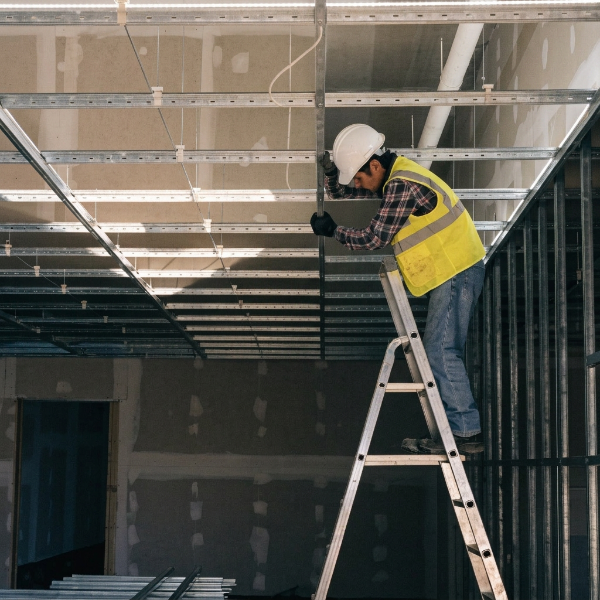
The ceiling tile and the keel system work together. You cannot have one without the other. Especially in the humid environments where PVC gypsum boards excel, choosing the right keel is not a place to cut corners. Based on my experience installing hundreds of these ceilings, here is my advice.
Light Steel Keel
This is the modern, professional standard and my top recommendation. Light steel is strong, it won't warp or twist with changes in humidity, and it is naturally fire-resistant and moisture-proof. It pairs perfectly with the waterproof nature of the PVC gypsum board. It's the "install it and forget it" solution.
Wood Keel
This is a more traditional and sometimes cheaper option. However, I only recommend it for dry areas, and only if the wood has been properly treated with anti-corrosion and fire-retardant coatings. Using untreated wood, especially in a kitchen or bathroom, is asking for trouble. It will absorb moisture, warp, and can become a breeding ground for mold.
Aluminum Alloy Keel
This is a premium option, often used for decorative or specially shaped ceilings. It's very lightweight and completely rust-proof, but it's also more expensive and generally not necessary for a standard PVC board installation.
Conclusion
In short, PVC faced gypsum board is your go-to, easy-clean solution for wet or hygienic areas. Always pair it with a light steel keel for the best long-term results.
Kim
Hello everyone! I am Kim. I love my job and feel happy at work. My family has been engaged in the building materials industry for more than 30 years, starting as a skilled worker and then running our own one-stop supply chain and export trading company for building materials. Here, I want to share my experience - let's grow together!